How Flock cameras work
Drive past. Get logged. Six steps, all automatic.
- 1
You drive past
Every vehicle in range is captured. No suspicion needed.
- 2
Plate read instantly
Infrared + OCR. Dirty or partial plates still count.
- 3
"Vehicle Fingerprint" built
Make, model, color, stickers, racks, damage.
- 4
Uploaded in seconds
Plate, photos, GPS, timestamp → Flock's cloud.
- 5
Checked against hotlists
Matches alert police in real time.
- 6
Stored & searchable
Match or not, it's kept — searchable weeks later.
What gets stored, every pass.
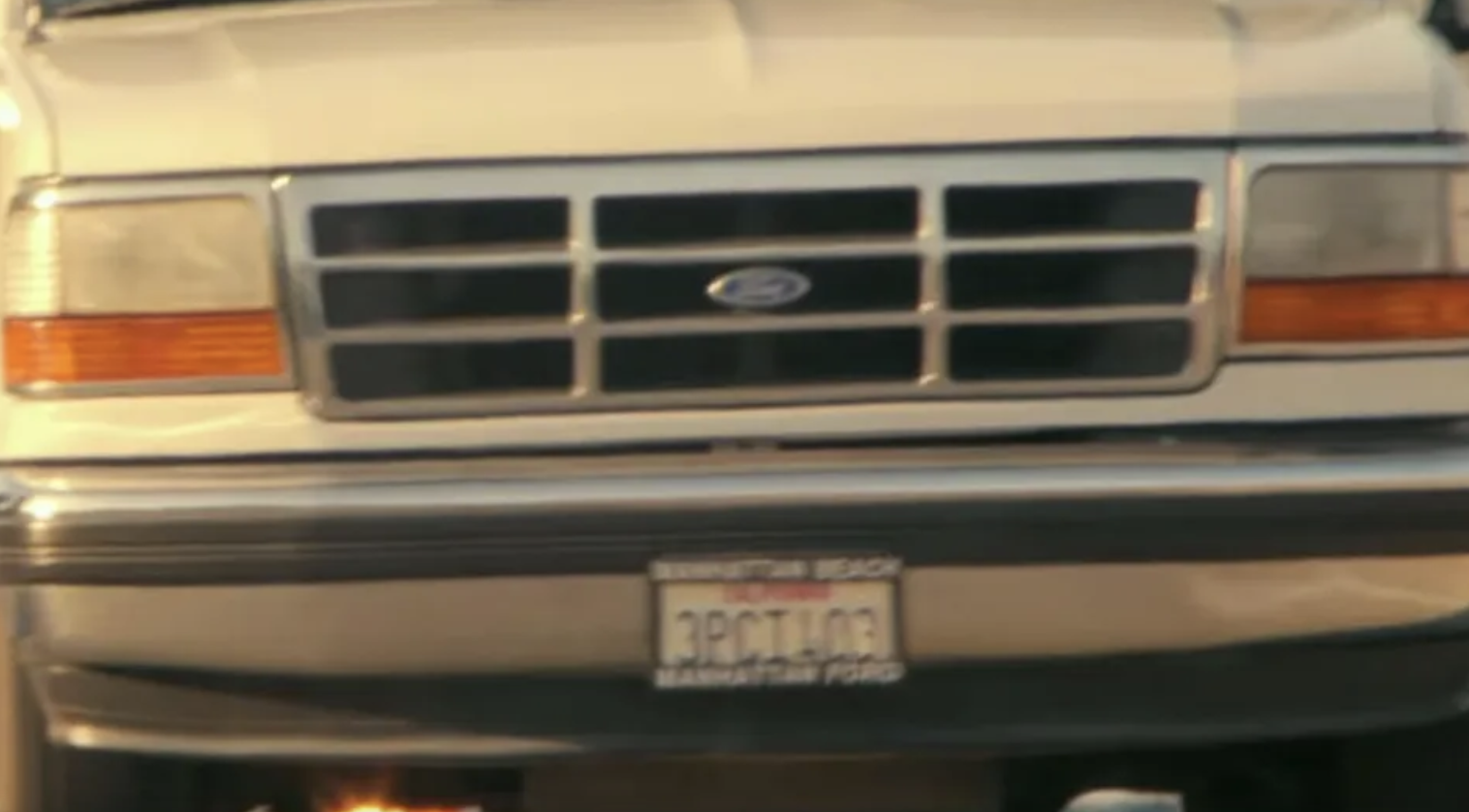
- Plate + stateEven partial reads count.
- Make · model · colorAll searchable fields.
- Stickers & damageRacks, hitches — anything distinguishing.
- TimestampDown to the second.
- Camera GPSStreet + direction of travel.
- PhotosIR plate shot + full color image.
No opt-out exists. There is no way for a Denton resident to remove their vehicle from this system. Every trip through a camera-covered road is logged automatically, with no notification.
Who can search your car's history.
Denton PDAny credentialed officer. No warrant needed.
437+ partner agenciesFrom just 10 of 61 cameras. Sharing goes both ways.
Private networksHOA & business cameras can feed police directly.
Federal agenciesHits auto-forward to the FBI's NCIC.
No warrant required for any of this. Under current Texas law, accessing historical ALPR records does not require a warrant. A Denton police officer, or any of the 437+ partner agencies, can look up where your car was on any given day without judicial oversight.
How long they keep it.
30 days
10 cameras confirmed
The only retention period public records confirm.
?
The other 51 cameras
Not public. Some agencies keep Flock data up to a year.
Flock
Controls deletion
Runs on Flock's systems. No independent audit confirms it.
The problem is not one camera. It is searchable location history without consent.
Flock changes ordinary driving into a database. Even when no crime has happened, your car can be logged, described, timestamped, and searched later by people you never interacted with.
See examples and take action →Suspicion comes later.The scan happens first. The justification can come after your movement is already stored.
The record outlives the moment.A normal trip can become part of a searchable pattern days or weeks later.
You are not asked.There is no practical notice, opt-out, or warrant requirement for historical ALPR searches under current Texas law.