Facts and action steps

See the facts. Then make it easy to act.

Use this page when you want the specifics: what Flock collects, who can search the data, real examples of harm, and exactly how to contact City Hall.

What gets stored

Each scan is more than a plate number.

Plate + stateEven partial reads.
Make · model · colorAll searchable.
Stickers & damageThe "vehicle fingerprint."
Time + locationYour route, mapped.
PhotosPlate and full car.
No opt-out exists. Residents cannot remove their vehicle from this system. If you drive through a covered road, your vehicle can be logged automatically.
Who can access it

Flock data does not necessarily stay local.

Police users

Authorized law enforcement users can search historical records through Flock's web portal.

Network-sharing partners

Flock's system is built for sharing between agencies, which can make local camera data searchable beyond the original jurisdiction.

Private and federal pathways

HOAs, apartment complexes, and businesses can also buy Flock cameras, and those networks may connect with law enforcement access.

No warrant required for historical ALPR searches under current Texas law. That is why local limits, public reporting, and democratic approval matter before any expansion.
Specific examples

Use these examples when someone says, "what's the harm?"

Keep it simple when talking to neighbors or council: misuse happens, mistakes hurt innocent people, vendor claims need scrutiny, and private camera networks make the full scope harder to see.

Misuse by officers

Personal searches, stalking cases, and sensitive investigations.
No warrant required. Any officer with system access can search a plate history without judicial oversight under current Texas law.
One officer ran his ex-girlfriend's plate 69 times, her mother's 24 times, and her father's 15 times over several months.
A police lieutenant used plate-reader data to track his estranged wife. In another case, a police chief searched his ex-girlfriend's plate 228 times over four months.
A deputy searched 83,345 cameras to locate a woman in an abortion investigation, while the public explanation described it as a welfare check.
Most misuse cases only surfaced after conduct became serious enough to trigger termination, arrest, litigation, or public records scrutiny.

False hits and dangerous stops

What happens when a plate reader gets it wrong.
San Francisco: Denise Green was pulled from her car at gunpoint after an ALPR misread one digit on her plate. The city paid $495,000 to settle.
Aurora, Colorado: a mother and children, including a 6-year-old, were forced at gunpoint to lie face down on hot pavement after a stolen motorcycle plate was mismatched to their vehicle. The city settled for $1.9 million.
Sherwood, Arkansas: a Flock camera misread a plate and officers detained an innocent couple at gunpoint while their six-week-old baby sat in the car.
Denver area: Chrisanna Elser received a court summons after Flock footage was cited as proof she stole a $25 package. She spent weeks proving her innocence before charges were dismissed.

Effectiveness claims deserve scrutiny

Vendor claims are not the same thing as public proof.
Flock says its cameras help solve 10% of U.S. crime, but that study was written by two Flock employees, and reporting later found a researcher raised concerns about its integrity.
A Journal of Experimental Criminology study found license plate reader patrols in crime hot spots generated no deterrent effect.
Independent Institute research found no meaningful correlation between ALPR deployment and stolen vehicle recoveries across 16 years of data.

Transparency and security failures

Access gaps, exposed systems, and policy failures.
Public records in one city showed 90 agencies listed in a portal, while 6,000+ actually had access.
An audit found 7,100 immigration-related searches where local policy prohibited that use.
Flock has faced reports of exposed credentials, exposed cameras, and a misconfigured demo site containing internal source code and a live ArcGIS admin API key.
In Evanston, Illinois, Flock reportedly reinstalled cameras after the city canceled its contract and ordered removal.
Bottom line: Denton residents should not have to accept vendor claims on faith. If the city keeps or expands ALPR surveillance, it should first publish the contract, retention settings, audit logs, sharing partners, usage counts, and camera-level activity.
Contact City Hall

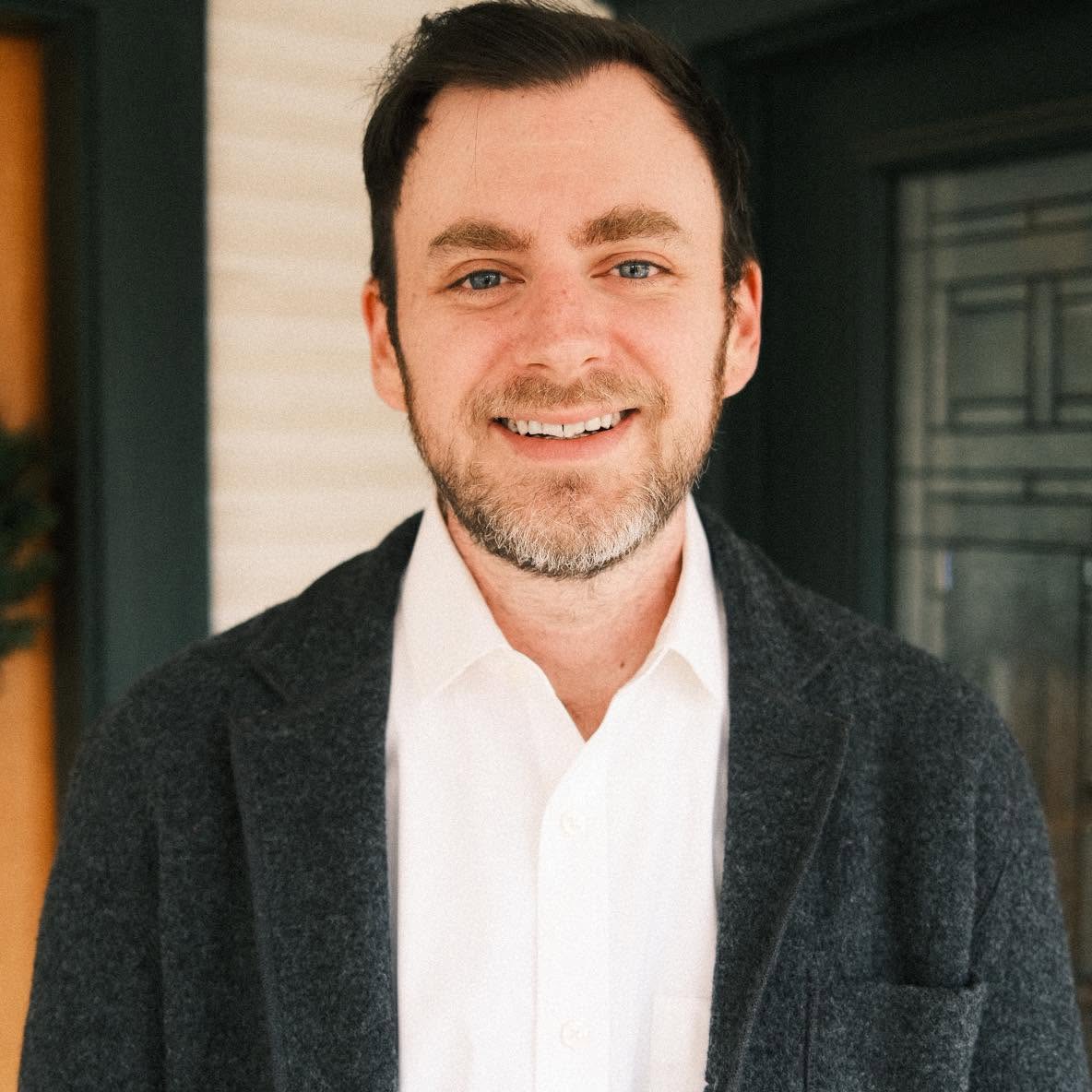
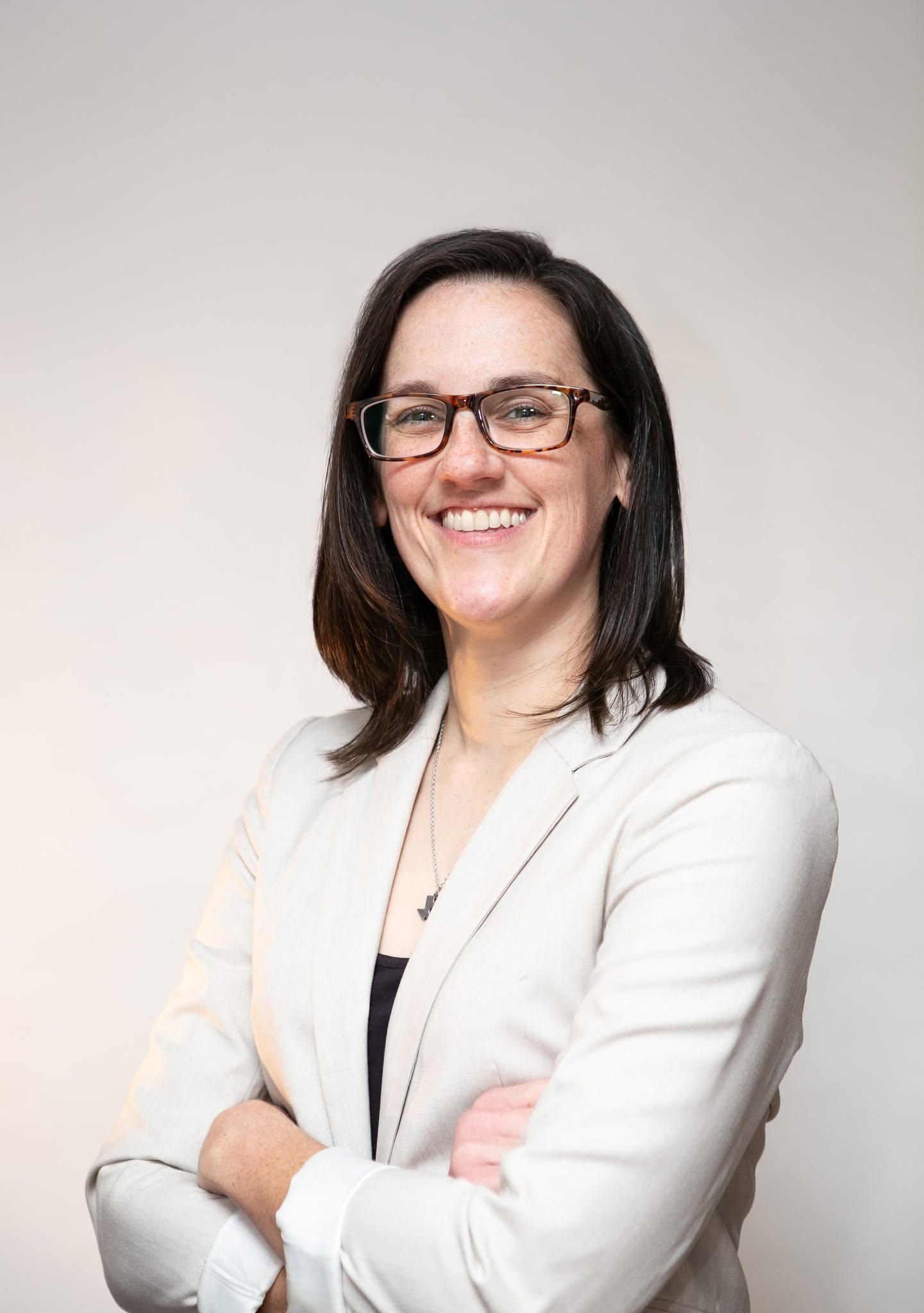
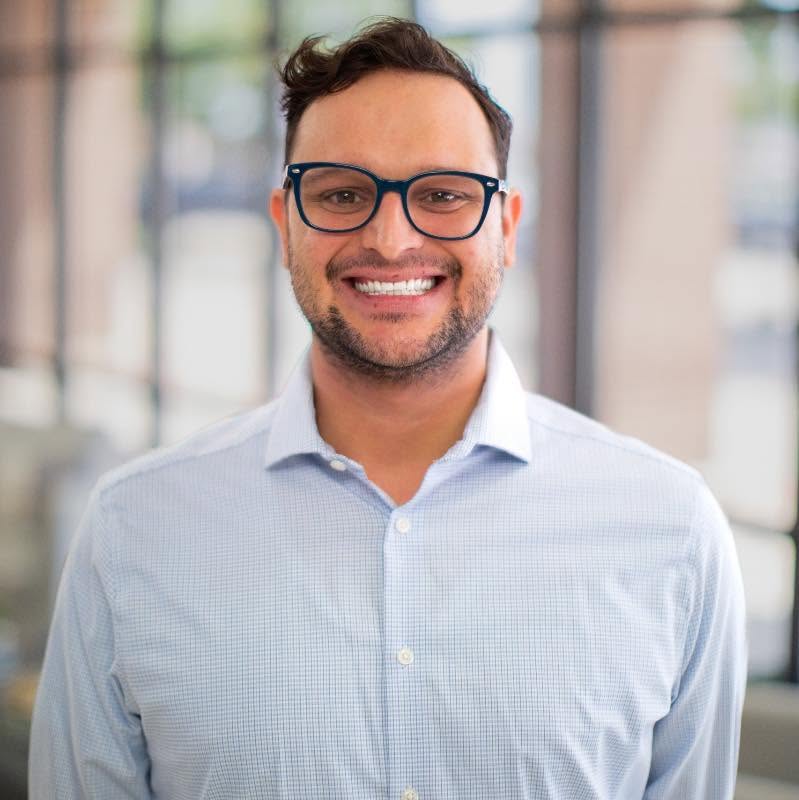
Ask Denton officials to remove Flock cameras.

The most useful message is local, specific, and direct. Ask for removal or non-renewal, full transparency, and a public vote before any future ALPR expansion.

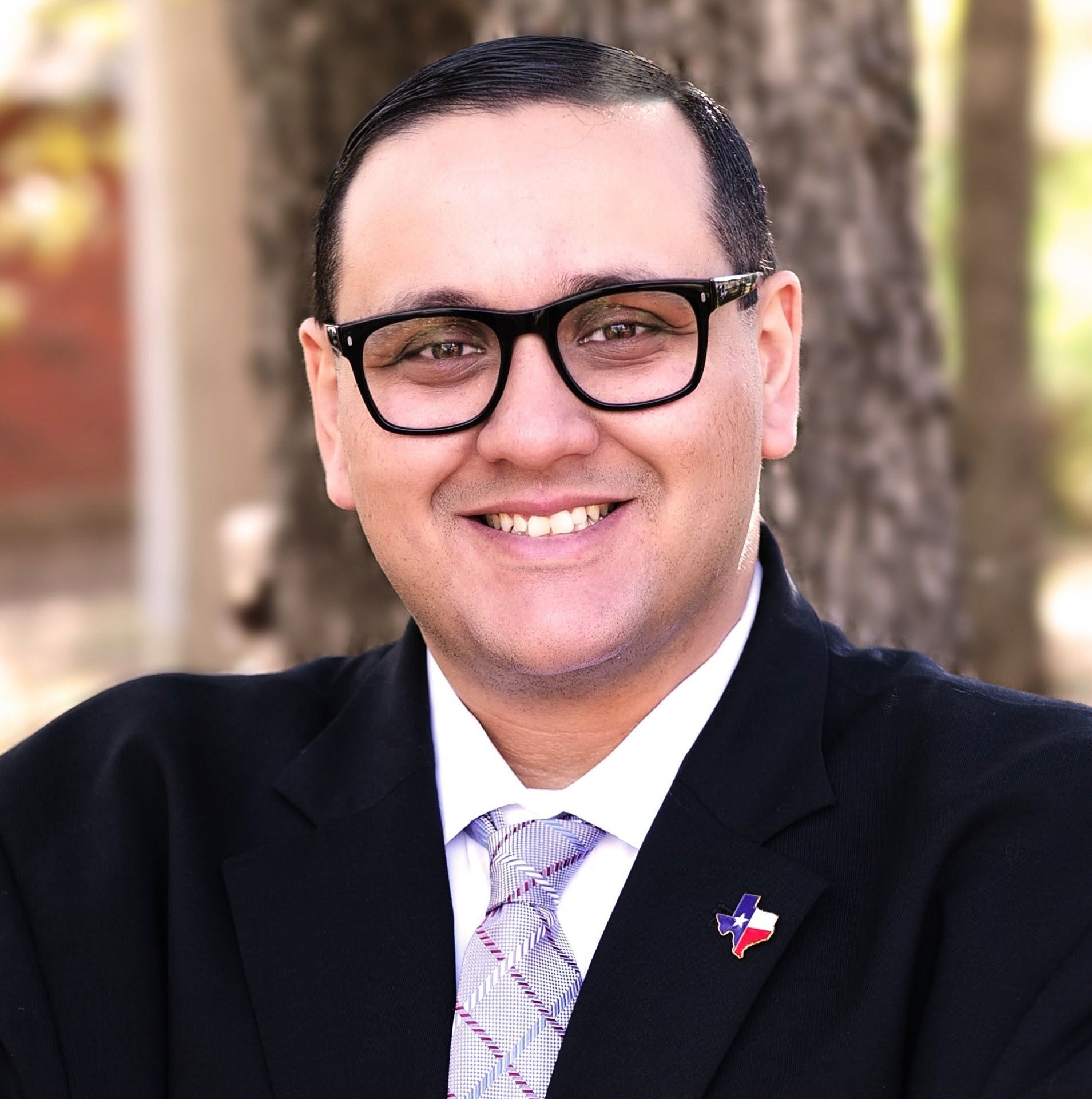
Chris Watts
Chris Watts
Mayor
Contact
Jordan E. Villarreal
District 1
Contact
Nick Stevens
Nick Stevens
Mayor Pro Tem · District 2
Contact
Suzi Rumohr
Suzi Rumohr
District 3
Contact
Joe Holland
Joe Holland
District 4
Contact
George Ferrie
George Ferrie
At-Large Place 5
Contact
Jill Jester
Jill Jester
At-Large Place 6
Contact

Council meets the 1st & 3rd Tuesday of each month · 6:30 p.m. · City Hall, 215 E. McKinney St. · View upcoming meetings

Not sure which district you're in?

Enter your address in the City of Denton district map below.

Map source: City of Denton GIS · Download PDF version

Contact City Council

Tell elected officials you oppose Flock cameras and want the contract ended or not renewed.

Open council page

Speak at a meeting

Public comment shows this is a Denton issue, not only an online privacy debate.

Meeting info

File a records request

Ask for contracts, retention settings, audit logs, sharing partners, and camera-level activity reports.

File a request